Slip and fall lawsuits: what has to be proven
Short answer
- A property owner typically owes visitors reasonable care to keep the property reasonably safe, according to Cornell's Legal Information Institute.
- Proving negligence typically takes a duty, a breach of it, and harm the breach caused.
- In New Jersey, you usually must show a business knew of the hazard or should have found it.
Checked October 18, 2026.
Sources: Wex, Invitee; Wex, Negligence; Model Civil Jury Charge 5.20F (revised November 2022). Every fact cites a source
What has to be proven
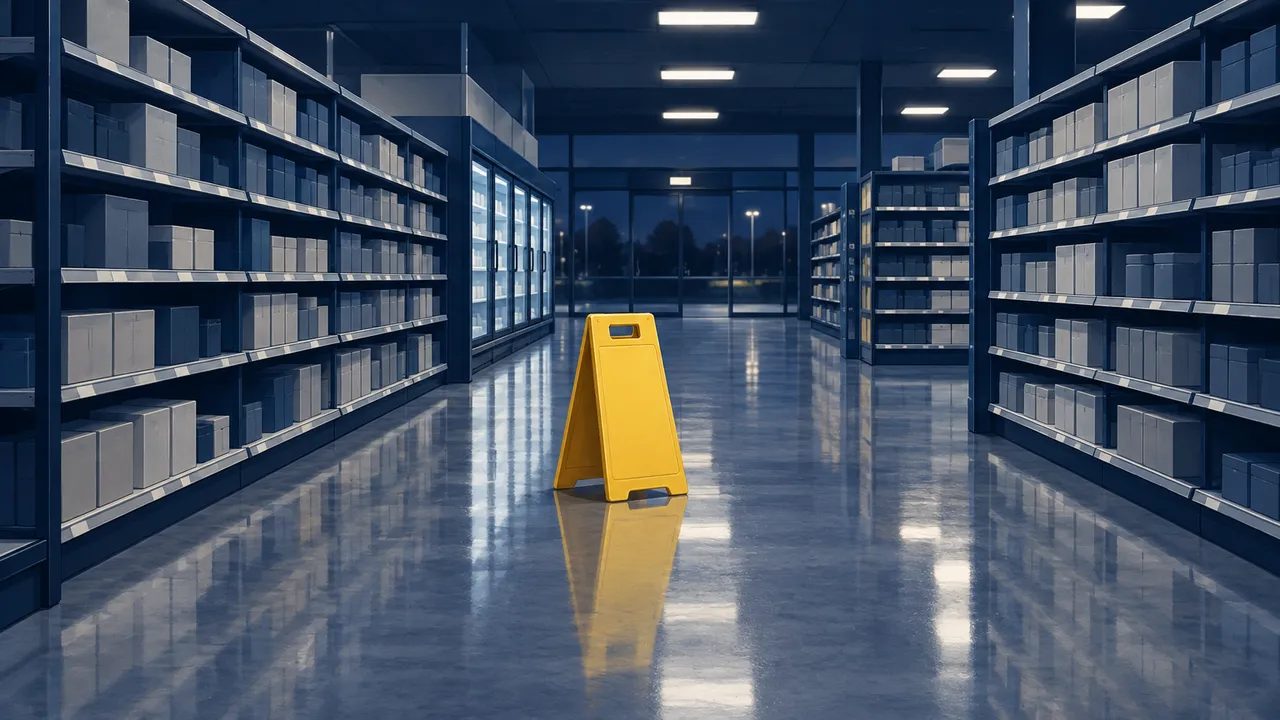
A fall alone doesn't make the owner responsible. Cornell's Legal Information Institute lists the elements that may typically be required to prove negligence.
- A dutyThe owner owed you a duty of care. Some relationships create one, such as a business owner and a customer.Source: Wex, Negligence
- A breach of that dutyThe owner didn't use the care a reasonable person would have used in the same situation.Source: Wex, Negligence
- HarmTypically bodily harm or harm to property. Harm that is only financial usually isn't enough.Source: Wex, Negligence
- The breach caused the harmThe harm wouldn't have happened but for the owner's conduct. Courts may also ask whether the harm was foreseeable.Source: Wex, Negligence
What a property owner owes you
States set these rules, and they vary. Toward an invited visitor, the duty is typically reasonable care to keep the property reasonably safe, and a warning about known dangers that aren't open and obvious.
California's Supreme Court dropped the old labels for visitors and set a general duty of reasonable care, whoever the visitor is. Many other states have followed it.
Source: Wex, InviteeA business must keep its place reasonably safe, with reasonable inspection. In self-service areas, you may not need to prove it knew of the hazard.
Source: Model Civil Jury Charge 5.20F (revised November 2022)A host doesn't have to inspect the home for hidden defects. A guest is entitled to what the host knows about dangerous conditions.
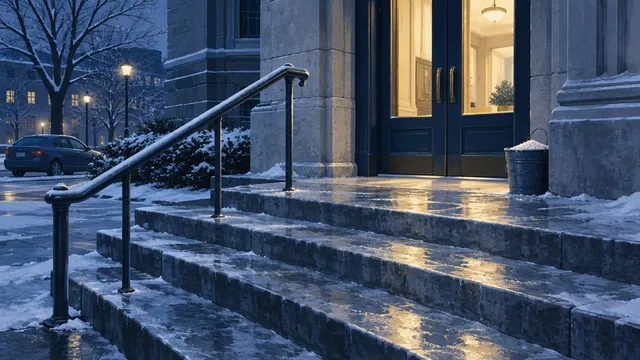
Source: Model Civil Jury Charge 5.20F (revised November 2022)A business answers for the sidewalk beside it, snow and ice included. A homeowner generally doesn't, unless they made the hazard worse.
Source: Model Civil Jury Charge 5.20B (revised January 2025)A business landowner generally doesn't have to clear snow and ice until the storm ends, then within a reasonable time.
Source: Pareja v. Princeton International Properties, A-4-20 (N.J. June 10, 2021)Against a town or the State, pain and suffering needs a permanent injury of a listed kind and medical expenses over $3,600.
Source: N.J.S.A. 59:9-2Against your employer, workers' comp is generally the only remedy. A claim against someone else who caused the fall is still allowed.
Source: N.J.S.A. 34:15-8; N.J.S.A. 34:15-40; N.J.S.A. 34:15-51; N.J.S.A. 34:15-17Your own share of the fault
What you were doing when you fell can matter. If you were doing something that made harm more likely, the owner's conduct may not be found to be the cause.
In New Jersey, your recovery drops by your share of the fault. Above 50%, you recover nothing.
Source: Wex, Negligence; N.J.S.A. 2A:15-5.1; N.J.S.A. 2A:15-5.2NJThe deadlines in New Jersey
- Sue a business or homeowner, in generalN.J.S.A. 2A:14-2(a)Within 2 years after the injury
- A claim against a public entityN.J.S.A. 59:8-8Notice within 90 days after the claim arises
Sources
- Wex, InviteeWhat a property owner owes an invited visitor, and states that use one rule for every visitor. Checked .
- Wex, NegligenceWhat negligence is, and the elements that typically have to be proven. Checked .
- Model Civil Jury Charge 5.20F (revised November 2022)New Jersey Courts, Model Civil Jury Charges. Checked .
- Model Civil Jury Charge 5.20B (revised January 2025)New Jersey Courts, Model Civil Jury Charges. Checked .
- Pareja v. Princeton International Properties, A-4-20 (N.J. June 10, 2021)New Jersey Courts, Supreme Court opinion. Checked .
- N.J.S.A. 59:9-2Justia, 2025 New Jersey Revised Statutes. Checked .
- N.J.S.A. 34:15-8Justia, 2025 New Jersey Revised Statutes. Checked .
- N.J.S.A. 34:15-40Justia, 2025 New Jersey Revised Statutes. Checked .
- N.J.S.A. 34:15-51Justia, 2025 New Jersey Revised Statutes. Checked .
- N.J.S.A. 34:15-17Justia, 2025 New Jersey Revised Statutes. Checked .
- N.J.S.A. 2A:15-5.1Justia, 2025 New Jersey Revised Statutes. Checked .
- N.J.S.A. 2A:15-5.2Justia, 2025 New Jersey Revised Statutes. Checked .
- N.J.S.A. 2A:14-2(a)Justia, 2025 New Jersey Revised Statutes. Checked .
- N.J.S.A. 59:8-8Justia, 2025 New Jersey Revised Statutes. Checked .
- N.J.S.A. 59:8-9Justia, 2025 New Jersey Revised Statutes. Checked .
General information, not legal advice. We don't know the facts of your claim. A lawyer can review them, and most injury lawyers offer a free consultation.
What to do next
- Next questionSlip and fall settlements: what the data showsWhat fall claims pay: the national trial data, and what moves the number.
- Ready to call a firm?Your first injury lawyer consultationWhat to bring, what to ask, and what the fee agreement must say.
- Top 3 in Jersey City
- Rank 1Garces, Grabler & LeBrocq, P.C.Score 94
- Rank 2Brach Eichler Injury LawyersScore 80
- Rank 3John Allegra LawScore 62
Compare firmsSlip and fall lawyers, ranked on public recordsCompare before you call. No firm pays to rank.Slip and fall lawyers in Jersey CitySlip and fall lawyers in Hoboken



Questions people ask
What do you have to prove in a slip and fall lawsuit?
Negligence typically takes a duty the owner owed you, a breach of that duty, harm to you, and proof the breach caused the harm. In New Jersey, you usually must also show a business knew of the hazard or should have found it.
Can you sue a store if you slip and fall?
A fall alone doesn't make a store responsible. In New Jersey, a business must keep its place reasonably safe and make reasonable inspections. Usually you must show it knew of the hazard or should have found it. In self-service areas, that proof may not be needed.
Can you sue a homeowner for a slip and fall?
In New Jersey, a host doesn't have to inspect the home for hidden defects, but a guest is entitled to what the host knows about dangerous conditions. A homeowner generally doesn't answer for the public sidewalk out front, unless they made the hazard worse.
What if I was partly at fault for my fall?
In New Jersey, your recovery drops by your share of the fault. Above 50% at fault, you recover nothing.
How long do you have to file a slip and fall lawsuit?
State law sets the deadline. In New Jersey, it's generally 2 years after the injury. Against a town, county or the State, written notice is due within 90 days.